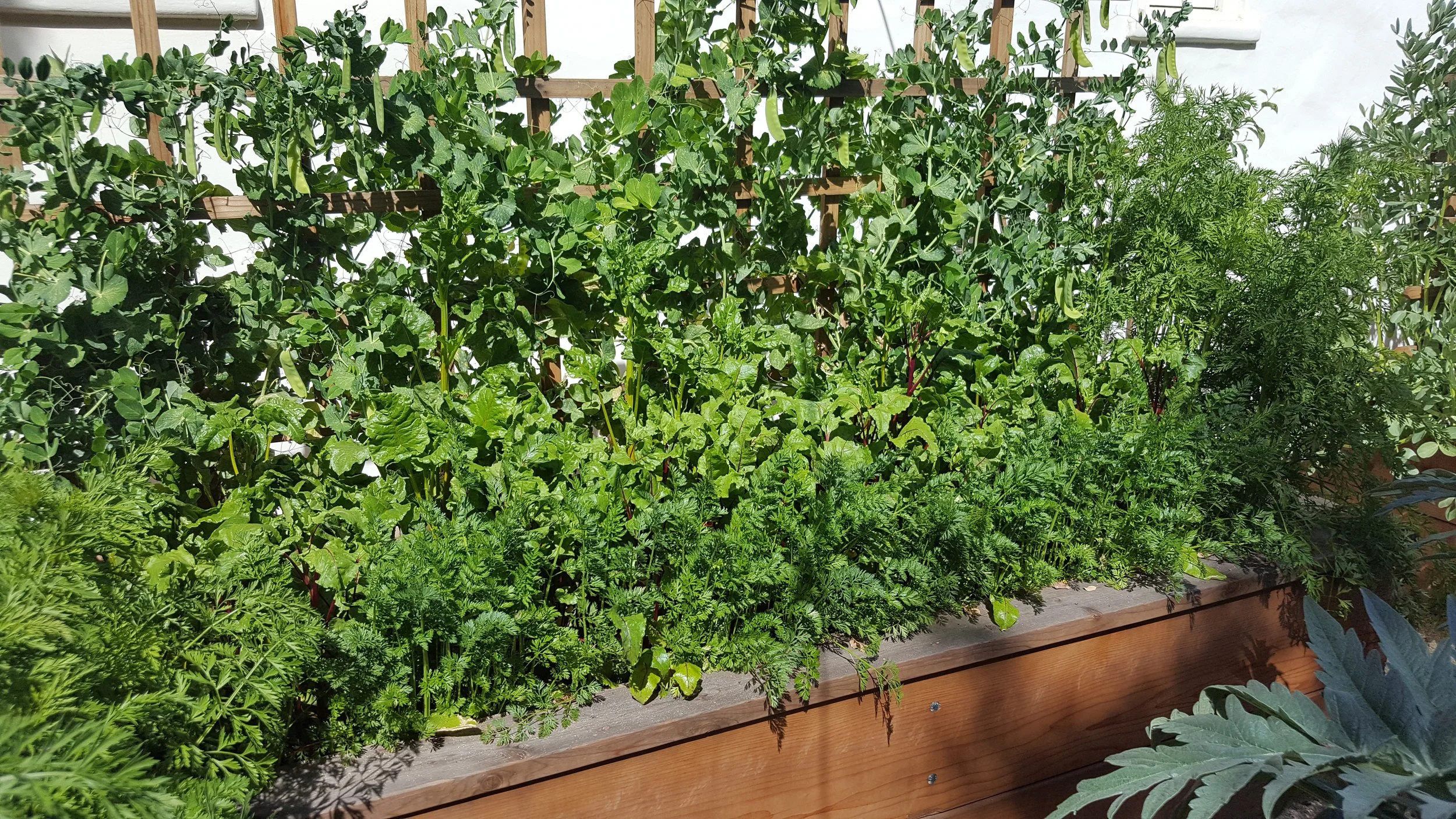
Explore Our Classes
Six-week, hands-on garden classes taught in real dirt, with real plants, by the same Urban Farmers behind Yard to Fork's backyard transformations.
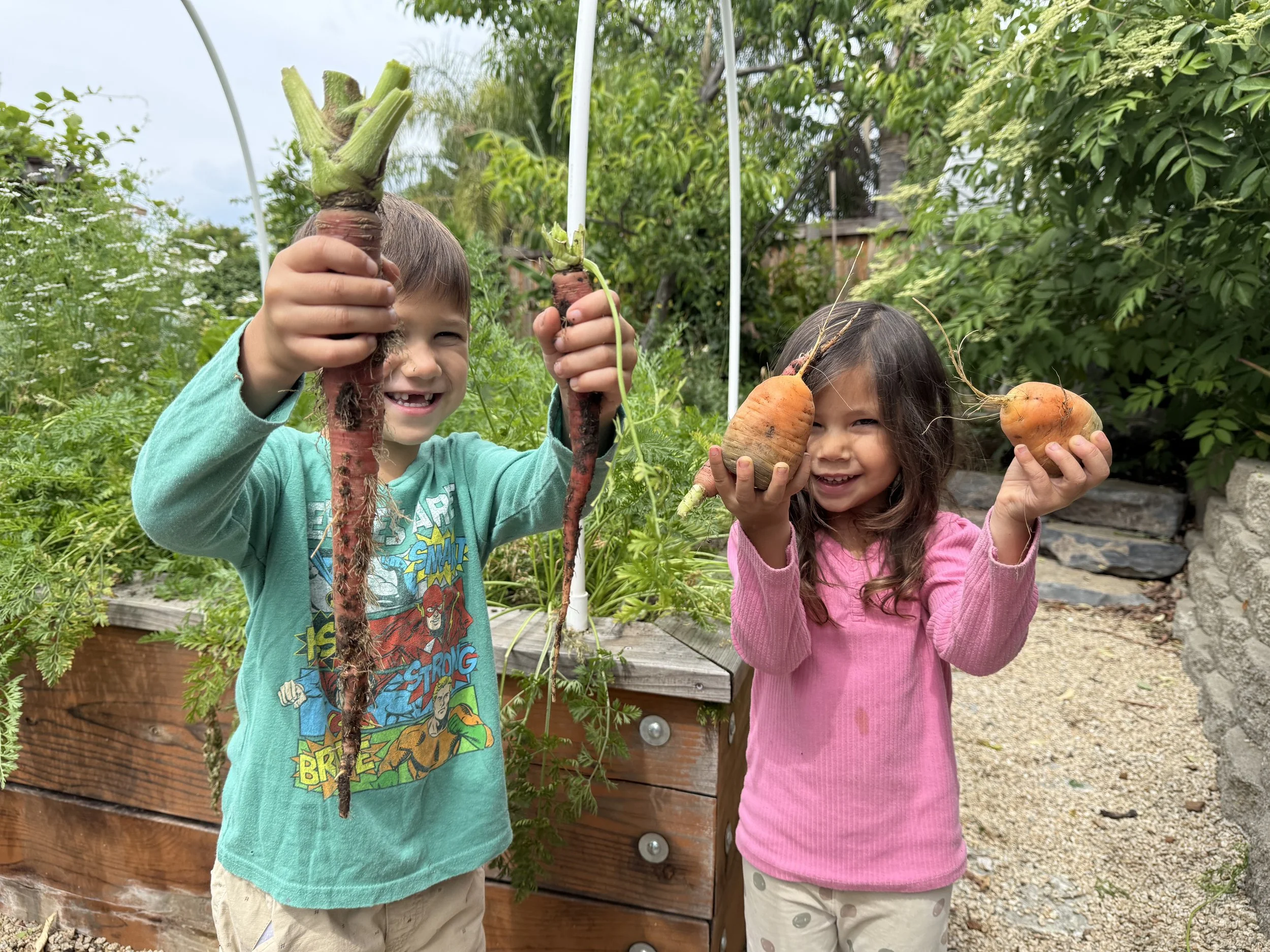
Six-week sessions. Each course meets once a week for six weeks, so families can commit to a single topic without a full-semester schedule.
New topic every session. Families can take one course or work through all six over the year — each builds on real garden seasons, so timing is intentional, not arbitrary.
Small groups, hands-on. Every class is taught outside, in the garden, with kids doing the digging, planting, and observing themselves.
Where: The Yard to Fork garden & nursery
When: Fridays at 10 am and 2 pm
Cost: $200 per student per class (some classes require minimal supply fee)
What We Offer
Some of the best lessons don't happen at a desk. They happen with dirt under your fingernails, a magnifying glass pointed at a ladybug, and a tomato you grew yourself finally turning red.
Yard to Fork classes are a series of six-week garden classes built for homeschool/independent study families — kids learn where food actually comes from, how to grow it, and why it matters, one season at a time. Classes are small, outdoors, and built around the same edible-landscaping know-how we use on every Yard to Fork install.
How it Works
The Courses
Each course runs six weeks. Lessons are scaled to whichever ages are enrolled, but the core topics stay the same — so older and younger siblings end up able to talk about the same gardening skills. Not all classes are offered at the same time.
-
Starting plants from seed — germination, what seeds need to sprout, transplanting, and why timing matters.
Learners will:
Start seeds indoors and direct-sow seeds outdoors
Learn what makes a seed germinate (and what stops it)
Transplant their own seedlings into the garden
Track growth week to week
-
What soil actually is, why different soil types matter, and how composting turns scraps into something plants can use.
Learners will:
Compare soil types (sand, clay, loam) and test their own garden's soil
Build or maintain a compost pile and learn what goes in (and what doesn't)
Learn what plants pull from soil and why amendments matter
Connect soil health to plant health, not just "good dirt vs. bad dirt"
-
Garden pests and beneficial insects — who's helping, who's hurting, and how to tell the difference before reaching for a spray.
Learners will:
Identify common Sacramento-area garden pests and beneficial insects
Learn basic integrated pest management — the least invasive fix first
Build or place something that supports pollinators (a bee hotel, a flower patch)
Practice scouting a garden bed for problems before they spread
-
Why and how we prune fruit trees and garden plants — for health, shape, and better harvests, not just tidiness.
Learners will:
Learn the difference between pruning for shape, health, and fruit production
Practice proper cuts on real trees and shrubs with real tools, sized for their age
Understand timing — why winter pruning differs from summer pruning
Learn to read a plant before cutting anything
-
Closing the loop — what to do with what you grow. Harvesting at the right time and turning it into something you'd actually eat.
Learners will:
Learn how to tell when a vegetable or fruit is actually ready to pick
Harvest from the garden each week
Prepare a simple recipe using that week's harvest
Talk through food waste, storage, and what to do with a glut of one crop
-
A Sacramento-specific look at what grows when, and how to plan a year of food instead of one bed at a time.
Learners will:
Build a simple planting calendar for our Zone 9b climate
Learn the difference between cool-season and warm-season crops
Practice succession planting and crop rotation basics
Walk away with a plan they could actually use in their own backyard
Have questions about charter funding, scheduling, or which track fits your child? Reach out — we're happy to talk it through.